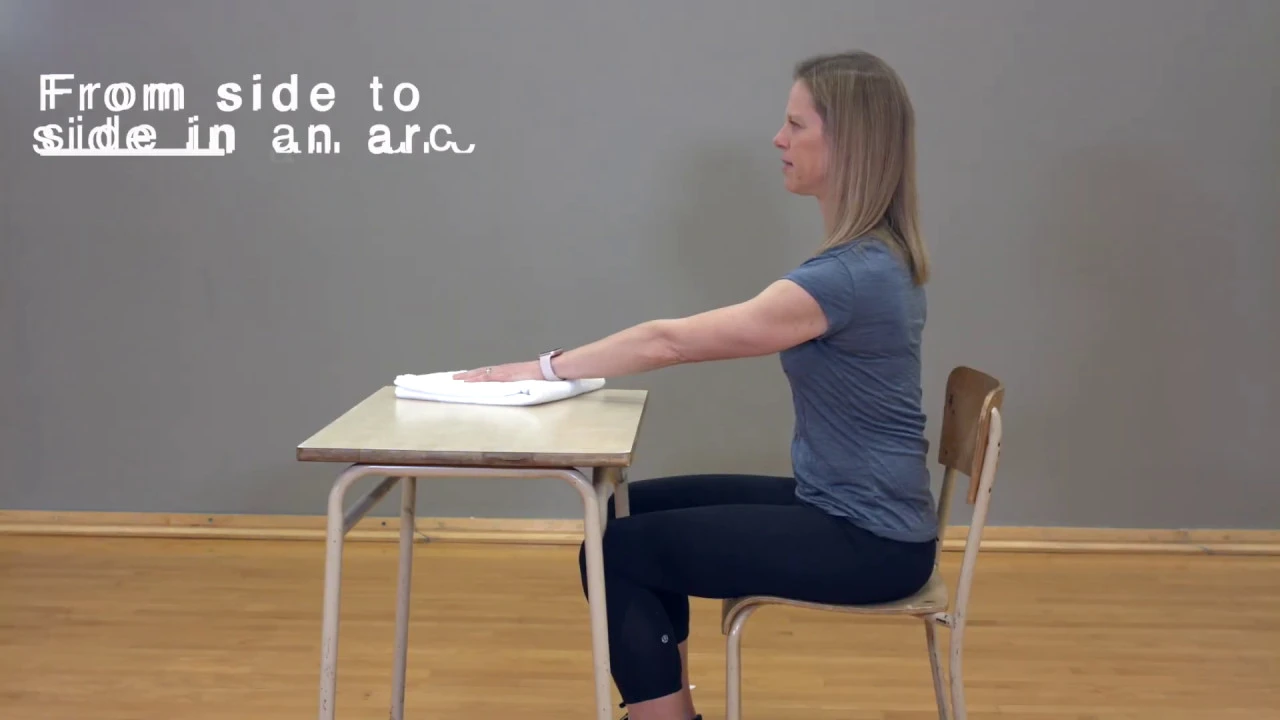
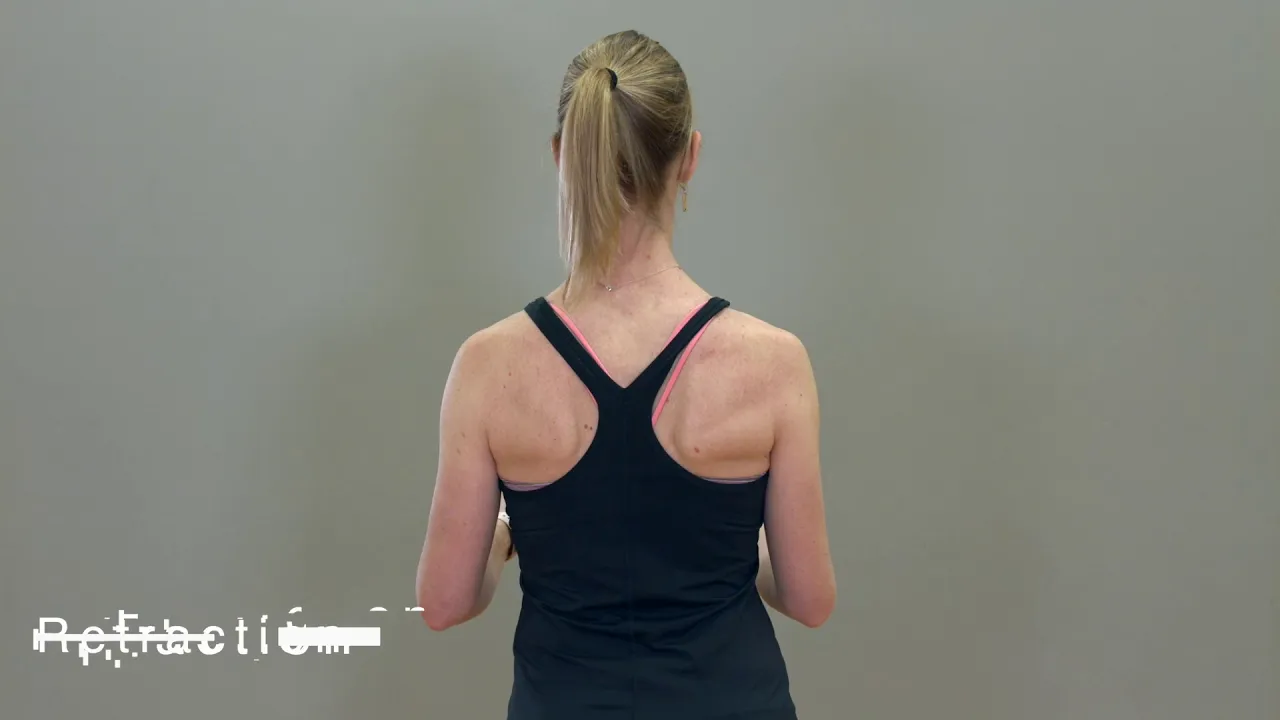
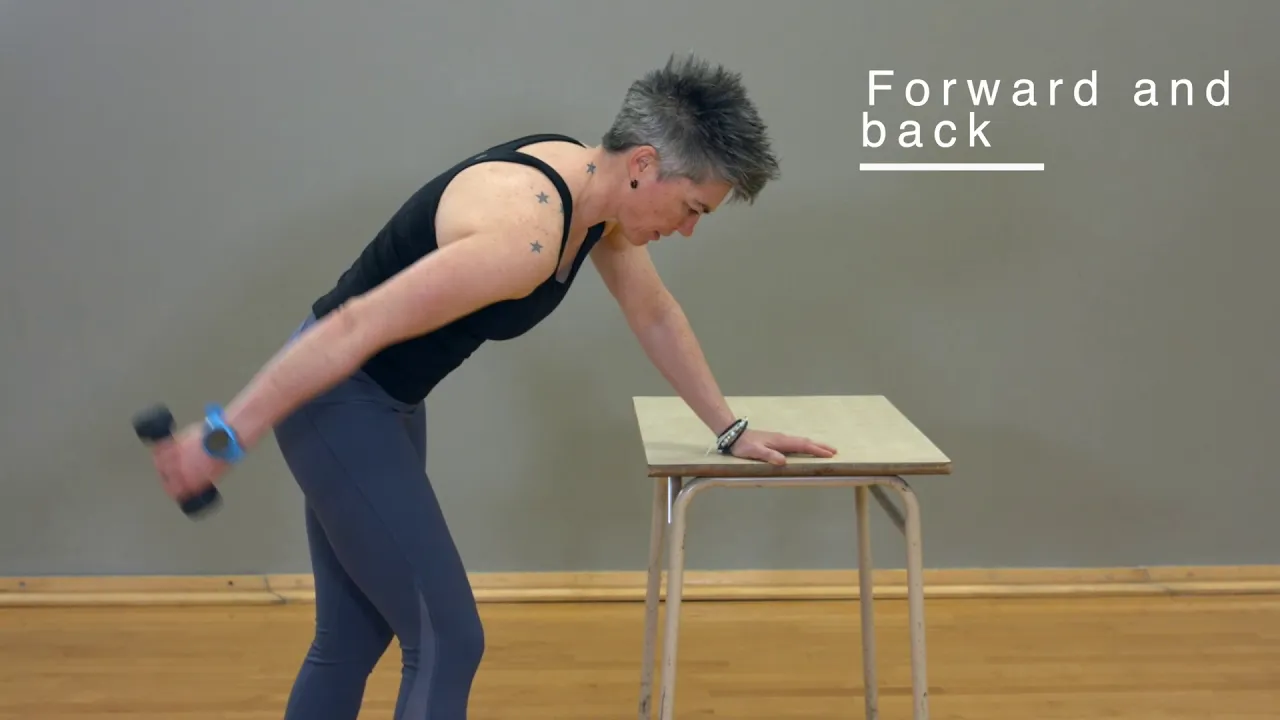
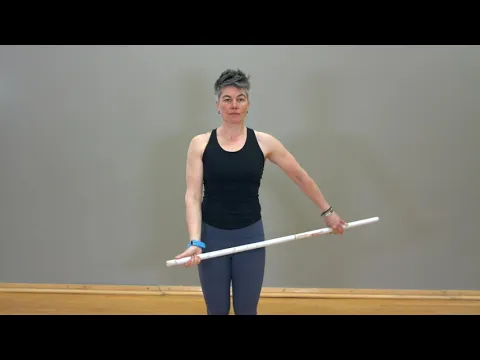
Shoulder stiffness, reduced mobility, and pain are common issues caused by prolonged sitting, poor posture, sports strain, repetitive movements, and previous injuries. Our guided shoulder mobility exercises are designed by rehabilitation professionals to safely improve flexibility, restore joint motion, reduce pain, and prevent future injury. These exercises are ideal for desk workers, athletes, and anyone experiencing shoulder tightness, discomfort, or limited range of motion.
Improve flexibility, reduce stiffness, and restore healthy neck motion with simple, guided exercises.
Improves shoulder joint mobility and flexibility
Reduces stiffness, tightness, and muscle tension
Relieves shoulder pain and discomfort
Enhances posture and upper body movement
Improves performance in sports and daily activities
Prevents injuries such as impingement and rotator cuff strain
Supports faster recovery and rehabilitation
Promotes long-term shoulder health
FAQs
01.What causes poor shoulder mobility?
Poor shoulder mobility is commonly caused by prolonged sitting, poor posture, repetitive overhead activity, muscle imbalances, sports injuries, and previous trauma. Tight chest muscles and weak upper back muscles also contribute.
02How often should I do shoulder mobility exercises?
Shoulder mobility exercises can be done daily, especially if you work at a desk, exercise frequently, or experience shoulder tightness.
03Can shoulder mobility exercises help reduce pain?
Yes. Gentle mobility exercises improve circulation, reduce muscle tension, restore joint motion, and significantly decrease shoulder pain and stiffness.
04Are shoulder mobility exercises safe?
Yes, when performed slowly and with proper technique. Stop if you experience sharp pain, clicking, numbness, tingling, or weakness, and consult a healthcare professional.
05When should I see a physiotherapist or chiropractor?
If shoulder pain lasts longer than 1–2 weeks, worsens, or limits daily activity, professional assessment and treatment are recommended.